


Blog
Best Dry Fruits for Diabetic Patients – Complete List, Benefits & Safe Intake Guide


Managing diabetes is not only about avoiding sugar—it is about making smart food choices that keep blood sugar levels stable while nourishing the body. Among such smart choices, dry fruits for diabetic patients play a crucial role when consumed in the right quantity and form.
Many people believe that dry fruits should be completely avoided in diabetes. However, this is a common misconception. In reality, several dry fruits have a low glycemic index (GI), are rich in fiber, healthy fats, and essential minerals, and can actually help regulate blood sugar levels.
In this detailed guide, you will learn:
- Which are the best dry fruits for diabetics
- Their health benefits
- How much to eat and when to eat
- Dry fruits diabetics should limit or avoid
This blog is designed to help you enjoy dry fruits safely and confidently as part of a diabetes-friendly lifestyle.
According to the American Diabetes Association dietary guidelines, diabetic patients should focus on balanced meals with whole grains, lean protein, healthy fats, and high-fiber foods, while limiting added sugars, refined carbs, and portion sizes to maintain stable blood glucose levels.
Why Dry Fruits Matter for Diabetic Patients
Dry fruits are more than just tasty snacks. In fact, they are nutrient-dense superfoods that offer multiple benefits for people living with diabetes.
Key Reasons Dry Fruits Are Beneficial for Diabetes
Firstly, dry fruits are rich in dietary fiber, which slows down the absorption of sugar into the bloodstream.
Secondly, most nuts contain healthy fats that improve insulin sensitivity.
Thirdly, dry fruits provide essential minerals like magnesium, potassium, and zinc that support glucose metabolism.
Nutritional Advantages at a Glance
- Low glycemic index (GI) options available
- Rich in antioxidants that reduce inflammation
- Support heart health, which is critical for diabetics
- Increase satiety and reduce unhealthy cravings
Therefore, when eaten in moderation, dry fruits can become one of the healthiest snacks for diabetic patients.
Complete List of Best Dry Fruits for Diabetic Patients


5
1. Almonds – The Best Dry Fruit for Diabetic patients
Almonds are often considered the number one dry fruit for diabetics, and for good reason.
Health Benefits of Almonds for Diabetics
- Rich in magnesium, which improves insulin sensitivity
- High fiber content helps stabilize blood sugar
- Lowers bad cholesterol (LDL)
- Supports weight management
How to Consume Almonds
- Eat 5–7 soaked almonds daily, preferably in the morning
- Avoid roasted or salted almonds
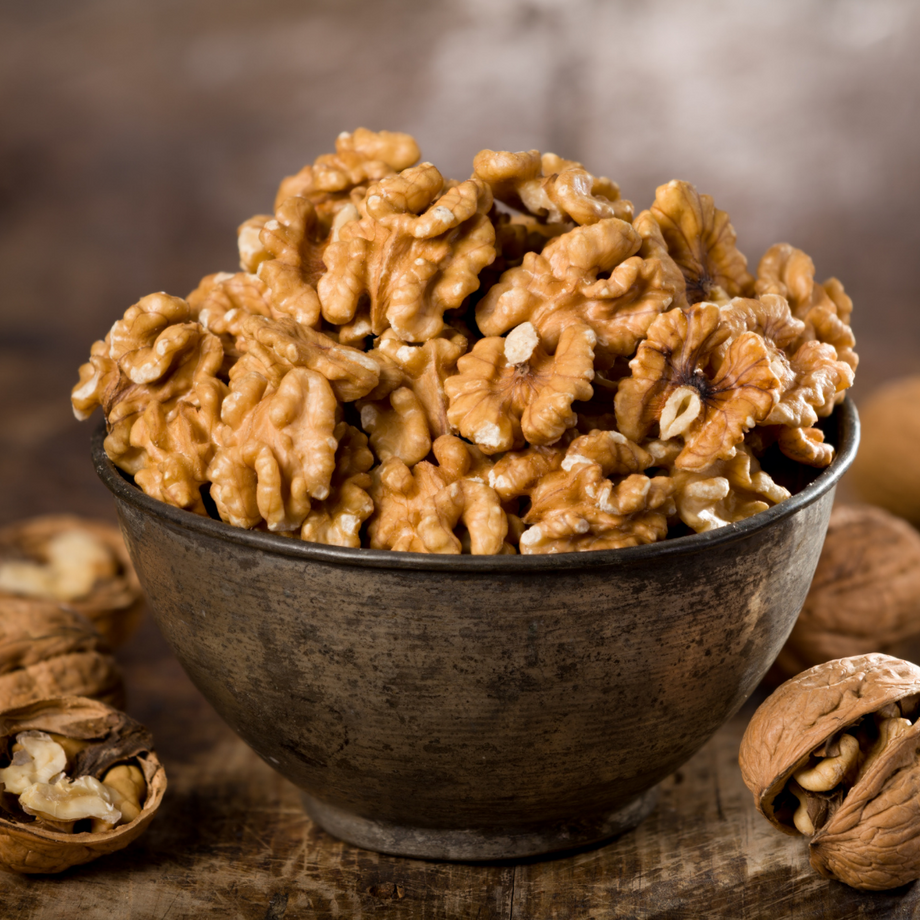
2. Walnuts – Powerful for Heart & Sugar Control
Walnuts are an excellent source of omega-3 fatty acids, which are especially beneficial for people with diabetes.
Benefits of Walnuts for Diabetes
- Reduce inflammation
- Improve heart health
- Support brain function
- Help manage blood sugar fluctuations
Safe Intake
- 2–3 walnut halves per day
- Best eaten in the morning or as a mid-meal snack
3. Pistachios – Low GI & Weight-Friendly
Pistachios have one of the lowest glycemic indexes among nuts, making them ideal for diabetic patients.
Why Pistachios Are Good for Diabetics
- Improve insulin response
- High fiber and protein content
- Help with weight control
- Reduce post-meal blood sugar spikes
How to Eat
- 1 small handful of unsalted pistachios
4. Cashews – Eat Carefully but Don’t Avoid
Cashews contain slightly more carbohydrates than other nuts. Still, they can be included in a diabetic diet in moderation.
Benefits of Cashews
- Rich in magnesium
- Good for heart health
- Provide healthy fats
Recommended Quantity
- 4–5 cashews occasionally
- Avoid daily consumption
5. Dates – Only in Strict Moderation
Dates are naturally sweet and high in sugar. However, they also contain fiber and antioxidants.
Can Diabetics Eat Dates?
Yes—but very carefully.
Safe Way to Eat Dates
- Limit to 1 small date
- Always pair with nuts to slow sugar absorption
- Never eat dates alone



6. Raisins – Small Quantity Matters
Raisins contain natural sugars but also fiber and antioxidants.
Benefits
- Improve digestion
- Provide quick energy
- Rich in iron
How Much to Eat
- 1 tablespoon only
- Best mixed with curd or nuts
7. Figs (Anjeer) – Fiber-Rich Choice
Figs are known for their digestive benefits and mineral content.
Why Figs Are Good for Diabetics
- High fiber helps regulate blood sugar
- Supports heart and bone health
- Improves digestion
Recommended Intake
- 1 soaked fig per day
8. Dried Apricots – Low GI & Nutrient-Rich
Dried apricots are a safer fruit option for diabetics when eaten correctly.
Health Benefits
- Low glycemic index
- Rich in vitamin A
- Good for digestion and eye health
Safe Intake
- 2–3 dried apricots per day
9. Prunes – Excellent for Gut Health
Prunes are especially helpful for diabetic patients suffering from constipation.
Benefits
- Improve digestion
- Support bone health
- Reduce inflammation
How Much
- 1–2 prunes daily
10. Peanuts – High Protein Snack
Although technically legumes, peanuts are often included in dry fruits.
Why Peanuts Are Good for Diabetics
- High protein content
- Keep you full longer
- Help control hunger
Best Way to Eat
- Roasted, unsalted
- Small handful only
Major Benefits of Best Dry Fruits for Diabetic Patients
1. Blood Sugar Regulation
- Fiber slows glucose absorption
- Low GI nuts prevent sudden sugar spikes
2. Heart Health Protection
- Healthy fats reduce cholesterol
- Antioxidants support cardiovascular health
3. Weight Management
- High satiety prevents overeating
- Protein supports lean muscle
4. Better Digestion
- Prevents constipation
- Supports gut microbiome
5. Stronger Immunity
- Vitamins and minerals boost immune response
Tips for Including best Dry Fruits in a Diabetic Diet
- Practice strict portion control
- Always choose raw, unsweetened dry fruits
- Pair dry fruits with protein or healthy fats
- Prefer morning or mid-meal consumption
- Soak almonds, figs, and raisins overnight
Best dry fruits for diabetic patients: Should Avoid or Limit
- Sugar-coated dry fruits
- Candied fruits
- Excess dates and raisins
- Salted or fried nuts
Frequently Asked Questions (FAQs) for Best dry fruits for diabetic patients
Can diabetics eat dry fruits daily?
Yes, but only in limited quantities.
Which dry fruit is best for controlling blood sugar?
Almonds, walnuts, and pistachios.
Are dates safe for diabetics?
Yes, but only occasionally and in very small amounts.
Is soaking dry fruits necessary?
Soaking improves digestion and nutrient absorption.
Sample Daily Best Dry Fruit Plan for Diabetic patients
- Morning: 5 soaked almonds + 2 walnuts
- Mid-Snack: Pistachios or peanuts
- Evening: 1 fig or 2 apricots
Conclusion: Dry Fruits Can Be a Powerful Ally in Diabetes Management
Dry fruits are not harmful for diabetes when chosen wisely. In fact, they can significantly improve blood sugar control, heart health, digestion, and overall nutrition.
The key is moderation, correct selection, and proper timing. By including almonds, walnuts, pistachios, figs, and apricots in controlled portions, diabetic patients can enjoy both taste and health without fear.